Good Luck: A Groovy Display Font for Retro-Inspired Design
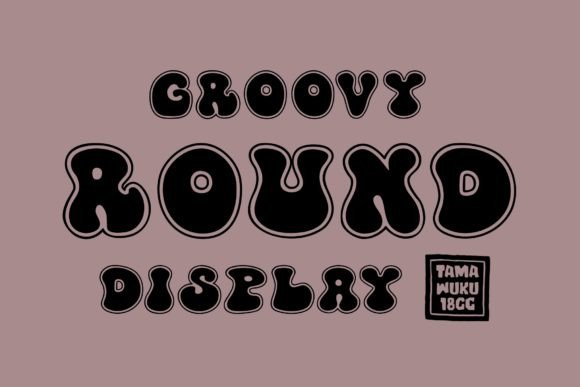
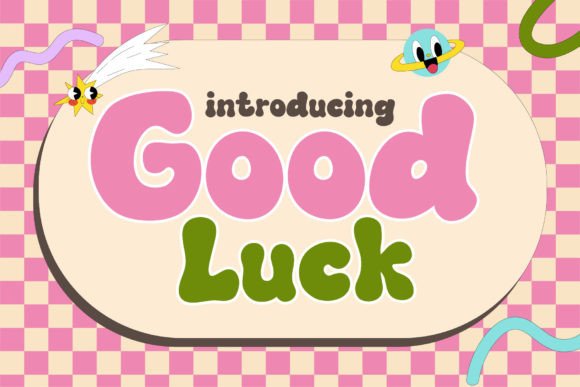
Looking for a typeface that instantly injects fun, personality, and a cool retro vibe into your projects? The Good Luck font might be exactly what your creative toolkit needs. This groovy and playful display font captures the iconic, cool style of the 1960s, offering a distinct aesthetic that can make any design feel more vibrant and engaging.
Capturing the Cool Spirit of the 1960s
Typography often sets the tone before a single word is read. Good Luck is a display font that leans heavily into retro aesthetics, featuring the rounded, funky letterforms that defined 60s pop culture and psychedelic art. It’s not just a typeface; it’s a creative font that serves as a visual time machine. By using this premium font, designers can easily evoke feelings of nostalgia and playfulness, making it a standout choice for brand identity projects that aim to feel approachable and energetic.
Creative Applications for Fun and Funky Projects
The true strength of this retro font lies in its versatility across various mediums. Because it is designed to be fun and funky, it thrives in environments where visual impact is more critical than dense readability. It is particularly effective for:
- Merchandise: Creating eye-catching designs for T-shirts, tote bags, and stickers.
- Packaging Design: Adding a vintage flair to food packaging, cosmetics, or artisanal goods.
- Poster Design: Making concert posters, event flyers, or nursery art pop off the page.
- Social Media Graphics: Stopping the scroll with bold, personality-driven headers and quotes.
If you are working on children’s book covers or party invitations, the playful nature of Good Luck ensures the message feels lighthearted and joyful.
Practical Tips for Typography and Readability
While Good Luck is a fantastic creative font, it requires a thoughtful approach to visual hierarchy. As a display typeface, it is best used for headlines, logos, and short bursts of text rather than long paragraphs. To maintain readability, consider pairing it with a clean sans serif font or a simple serif font for body copy. This font pairing strategy allows the retro style to shine without overwhelming the viewer. Always test the font at different scales to ensure the groovy details remain crisp, whether viewed on a mobile screen or a large physical print.
Enhancing Brand Identity and Professional Presentation
Choosing the right typeface is a strategic decision in logo design and web design. A font like Good Luck communicates that a brand is friendly, unconventional, and confident. However, when building a brand identity, consistency is key. Ensure that the retro vibe of the font aligns with your overall color palette and imagery. For editorial design, such as magazine headers or digital products, this font can break the monotony of standard modern typography, offering readers a refreshing visual experience.
Licensing and Usage Considerations
Before integrating any new design asset into a professional workflow, it is essential to review the licensing. Whether you are looking for a font download for personal use or a commercial font license for client work, always verify the terms. Proper licensing ensures that your packaging design or social media campaigns are legally compliant. Additionally, check the file formats provided to ensure compatibility with your preferred design software.
Ultimately, typography is the voice of your design. By selecting a well-crafted typeface like Good Luck, you are doing more than just filling space; you are adding a layer of personality and professionalism that resonates with your audience. Whether for a one-off project or a larger brand system, a distinctive font is a valuable asset in any designer's collection.